Showing posts with label health. Show all posts

25 Miles Along the Road to Svelteville

I've swum another 10 miles since my last post. That makes 25 miles. My tummy is still NOT flat.

I can tell that I'm losing flab: my pants are looser, I have a more defined waist, and I have less fat to jiggle around when I look at myself naked in the mirror. Nonetheless, it's going to take many more miles to completely whittle down this belly.

On the plus side: I can swim a mile in 55 minutes now. I'm getting stronger. I no longer ache all over all the time. I've lost 3.5 lbs of the 5 pounds I gained from swimming ( I THINK that's muscle weight). I've overcome my water phobia (that's the best thing of all!)

I've gotta admit that the first 20 pool lengths are not fun. It's getting colder in the mornings and showering before getting into the pool is very chilly. I huff and puff while swimming those initial 20 lengths. I have to push myself. It's not pleasant. But by the time I've reached the halfway mark, I'm no longer breathing hard and I'm enjoying the swim. It IS getting easier.
I've decided to map my miles around the island going in the other direction along Kamehameha Highway. That means so far I've traveled from my home up in the Wahiawa Heights to just past Romy's Prawns and Shrimp stand in Kahuku. I've never eaten there but I certainly will the next time I'm out that way in my car. That eating establishment will be my 25 mile marker.

Kahuku coastline
I want to increase the number of lengths I swim from 64 to 80 starting in December. That translates to 1.25 miles. I'd like to get strong enough to be able to complete the 80 lengths within an hour. By the time my 2-year goal of slenderizing me concludes, I'd like to be swimming 2 miles each time I get in the pool. It's going to be a while before I can reach that goal...

My friend swims 1/2 mile 3 times each week. He considers it a necessary evil, a chore that he has to get out of the way before he can do something fun. As a high school team swimmer, he found the races fun but the practices dull.
Consequently, his swims now are in the practice category and therefore dull. I think the reason I find my swims fun is because I'm racing against myself each time I get in the water. I'm certainly glad that perception is working in my favor this time around!

See you in another 10 miles!

How Many Miles to Svelteville?

Goodness! It's been 10 whole months since I've posted anything at all. Since the last post I've
1. Completed my 1st year of acupuncture school
2. Enrolled Butterfly in a private homeschool
3. Spent 3 weeks in Utah with Second Daughter and family when her second son was born
4. Started a new business
5. Recovered from the 1st year of acupuncture school
6. Started my 2nd year of school (2 1/2 years to go)


AND begun a new exercise program.

Ever since I blew out my knees skiing, it's been difficult finding exercise that I could consistently do without re-injuring myself. Or hating the exercise. This time around I discovered the community pool. Unlike the pools I was familiar with on the mainland, here in Hawaii the community pools operate year-round and are FREE!

Because I was so incredibly out of shape the first time I went swimming, it took everything I had to swim just 10 lengths (25 meters per length). I was so wiped out after that first time I had to sleep for a couple hours to recover. I've slowly gotten stronger over the last 4 1/2 months of swimming 2 - 3 times each week. I gradually increased the number of laps to 40 and then had an Aha! moment.

I looked up the number of lengths required to swim 1 mile in a 25 meter pool -- 64. I figured that miles were what I could understand (that's coming from a previous runner obviously). If I swam 1 mile each time I exercised I could count the miles it would take before I was slim again.

I started out at 163 pounds and with voluminous amounts of excess fat. In the last 2 months I've swum 15 miles. I've lost fat around my tummy and my rear end has gotten tighter but I've gained 3 pounds. I will assume that the weight gain has to do with muscle accumulation. I have faith that eventually I'll not only lose fat but will lose weight too. It might take me 2 years to get rid of all  the extra (we're talking about shedding 1/3 of my weight) but it will go if I continue to swim regularly.

So here it is: I've swum 15 miles. That's the distance from my house here in Wahiawa almost to the stadium via the freeway. Cool.

My next goal is another 10 miles. That should take 3 or 4 weeks. Then I'll reevaluate and update my goal.

This has become fun. How far will I have to swim to become svelte?

I'm going again tomorrow!


Starting Over - Again

The past eight months have been tough ones for me.  Lack of livable income resulting in depression-turning-into-health-problems have made the months very long ones. I've learned some very interesting things while being among the working poor: The more poverty income you make (income that's still not enough to pay the minimum bills of rent, utilities and food) the worse off you are.

Case in point:  I injured my back while working at McDonalds. I have never been in that kind of pain before.  It hurt to move, it hurt to sit or lie down (forget about getting back up again); at times it hurt to breathe.  Workman's Compensation paid for the doctor visits and physical therapy but I was only able to work a minimal number of days during the month I was recuperating. No substitute teaching, no McDonalds. That translates to no income.  I WAS able to qualify for food stamps and FINALLY I was able to qualify for state medical insurance.

By the way, after being released from doctor's care I quit my job at McDonalds for fear of re-injuring my back from the lifting I was required to do. Even though I keep applying for work that fits in with my education and prior training I STILL can't seem to get employed.

So then it became time to question my priorities.  Do I get another low-paying job and lose the medical insurance that was allowing me to address my health problems AND get less money in food stamps OR do I wait until school starts when I'll start substitute teaching again?

This is such a moral dilemma. Do I rely on governmental help when I feel like I should be able to provide for myself and my daughter (but haven't succeeded in that endeavor yet) or do I go ahead and take the help while telling myself that this is only a temporary situation? Both solutions seem like defeat.  The deciding factor was the medical insurance.  Right now I have to have medical insurance until I either get healthy again or get a job that pays enough so I can afford medical insurance through them.

In the meantime, I've watched the movie "Fat, Sick, and Nearly Dead" and have decided to use their method of juice fasting to try to get my body healthier.  I don't have a juicer but I DO have an old Vita-Mix blender and a strainer. So, the next 10 days will be a log of this health experiment. I start tomorrow morning.

Wish me lots of willpower!


Sweeteners: The Good, the Bad, and the Awful


Humans are born loving sweet taste. Our first food, breast milk, is very sweet. It's a little thin, but it's definitely sweet from lactose (milk sugar). As we grow older, we rarely lose the comforting desire for sweetness.

The first reference to shopping for something sweet is a 10,000 year old cave painting in Valencia, Spain that depicts two nude women carrying baskets and a ladder to collect wild honey and honeycomb.

Thankfully, we aren't required to collect our sweeteners naked in the wild. We can easily shop (at least semi-clothed) at our local supermarket. What we can't find locally can be easily gotten via the Internet.

We are fortunate to have many sweetener choices available to us. There are natural and artificial ones, those with calories and those without, highly refined and minimally refined sweeteners. Some claim to be good for you, while others are downright terrible for your health.

I've collected information on all the common available sweeteners that I could find and research on the Internet. I hope the information is helpful in making a choice that is healthy for your lifestyle. I've included the glycemic index whenever I could find that information.


Definition for Glycemic Index: The glycemic index or GI is a measure of the effects of carbohydrates on blood sugar levels. (Sugars are simple carbohydrates) Carbohydrates that break down quickly during digestion and release glucose rapidly into the bloodstream have a high GI; carbohydrates that break down more slowly, releasing glucose more gradually into the bloodstream, have a low GI. Generally, foods with lower GI values are preferable, because they break more slowly into glucose.

(said another way)
The glycemic index (GI) is a ranking of carbohydrates on a scale from 0 to 100 according to the extent to which they raise blood sugar levels after eating. The risks of diseases such as type 2 diabetes and coronary heart disease are related to the GI of the overall diet.

An awareness of foods' Glycemic Index can help you control your blood sugar levels, and by doing so, may help you prevent heart disease, improve cholesterol levels, prevent insulin resistance and type-2 diabetes, prevent certain cancers, and achieve or maintain a healthy weight.

A low glycemic index is anything under 55.  Medium GI is 56–69. High is anything between 70 - 100.

However, a low GI doesn't necessarily translate into "it's good for you". Artificial sweeteners don't affect your blood sugar level but that doesn't mean they don't affect your health in other ways. There are very few "free rides" when it comes to sweeteners and nutrition. Please educate yourself.

Nutritive Sweeteners (those with calories)
  • Coconut Sugar Coconut nectar is produced by slicing the bud of the flowering part of the coconut and collecting the sap (nectar) into containers. Coconut sugar crystals are created by kettle boiling the sap or by using low-temperature vacuum evaporation.

    Coconut sugar also has a low glycemic index of 35.

    In addition to being environmentally friendly and low glycemic, coconut sugar is a nutritious sweetener high in potassium, magnesium, iron, boron, zinc, sulfur, copper and is a natural source of the vitamins B1, B2, B3, B6 and C.

  • Date Sugar, not really a sugar at all, is made from ground, dehydrated dates, so it contains all the vitamins, minerals and fiber found in the fruit. It does not dissolve when added to drinks. It also does not melt like granulated sugar which can limit its use. It is sometimes promoted as a healthier alternative to brown sugar.

    Substitute 2/3 cup date sugar for 1 cup brown sugar in recipes.

  • FOS, fructooligosaccharides, also sometimes called oligofructose or oligofructan, is a class of oligosaccharides. The term oligosaccharide refers to a short chain of sugar molecules (in the case of FOS, fructose molecules). Oligo means few, and saccharide means sugar.

    FOS is extracted from fruits and vegetables such as bananas, onions, chicory root, garlic, asparagus, barley, wheat, jícama, tomatoes, and leeks. The Jerusalem artichoke and its relative, yacón have been found to have the highest concentrations of FOS of cultured plants. However, virtually, all of the FOS added to probiotic products in the United States is chemically manufactured. A Japanese process is utilized in turning white, bleached cane sugar, by the action of a fungal enzyme, into FOS - a sugar polymer that our bodies cannot digest.

    FOS has been a popular dietary supplement in Japan since before 1990, and is now becoming increasingly popular in Western cultures for its prebiotic effects.

    FOS act as prebiotics in your intestines to feed the beneficial microflora. It has also been touted as a supplement for preventing yeast infections. However, FOS not only feeds beneficial gut bacteria, it also feeds ANY and ALL bacteria that might be in your gut. Recent studies have shown that an Inulin/FOS mixture encourages the growth of Klebsiella, a bacterium implicated in Ankylosing Spondylitis and increased intestinal permeability.

    Assuming one is not allergic to Inulin/FOS, the typical side effects will vary depending on one's level of tolerance. The list of known side effects include: flatulence, bloating, cramps, abdominal pain, and diarrhea.

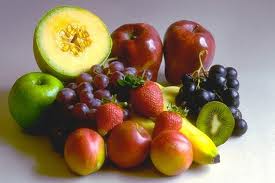
  • Fruit Fruit juices or mashed, dried, frozen, or fresh fruit lends flavor, color and natural sweetness to baked goods. Fruit contains natural sugars, including fructose, sucrose and glucose in good balance—plus fiber, vitamins, minerals and phytochemicals. The sweetest fruits are dates, bananas, figs, persimmons, lychees, guava, pomegranates, kumquats, mangoes and grapes. Many dessert recipes use fruit for sweetening with no added sugar.

    Are Fruit Juice Concentrates A Healthier Sweetener? The answer?  If the concentrate doesn't taste like the original fruit, then it's not a healthy alternative.

  • Honey When we talk about the health benefits of honey, we're referring to the raw stuff. The honey typically found on your supermarket shelf has been pasteurized (to kill yeast spores) and filtered (to remove crystals) so the honey will stay liquid on your shelf. The high heat of pasteurization destroys many of the healthy attributes of raw honey.

    Honey supplies many useful nutrients to our body like carbohydrates, vitamins, minerals, amino acids, enzymes and phytonutrients.

    Honey has been used to treat wounds, to soothe sore throats and coughs, treat cold sores and canker sores, alleviate allergies, relieve morning sickness, cure stomach ulcers, soothe acne, relieve cataracts, and stop bad breath. It can be used as a facial mask, hair conditioner, skin moisturizer and more. Now how many other sweeteners can make these kind of claims?
    Honey has a glycemic index of 62
    Extended reading:(1)(2)(3)(4)(5)(6)(7)(8)
  • Maltodextrin is a partially hydrolyzed starch that is used as a sweetener and filler. It is made from starchy foods like corn, potato or rice. One gram of maltodextrin contains only 2 to 3 calories. It is a main ingredient in various foodstuffs like soups, cookies, desserts, ice creams, puddings and sauces, etc. and is added as a filler to bulk up supplements. Since it is easily digestible by the body, it aids in the quick absorption and distribution of nutrients throughout the body.

    Maltodextrin side effects include:
    • Allergies. Individuals who suffer from starch intolerance such as celiac diseases show allergic reactions like skin rashes, itching, wheezing, asthma etc.
    • Bloating, flatulence, diarrhea, and occasionally constipation.
    • Rebound hypoglycemia, especially in body builders. This condition results in a sudden drop in blood sugar levels during excessive workouts.
    • Unexplained weight gain when large amounts of maltodextrin are unknowingly included in the diet.
    • Tooth decay and other dental problems like plaque, tartar etc.
    • Other reactions include nausea, vomiting, mild to severe headaches, upset stomach, dizziness and fainting spells. Some individuals may also experience side effects like generalized body weakness, fatigue and body ache.

  • Palm Sugar is a nutrient-rich, low-glycemic crystalline sweetener that looks, tastes, dissolves and melts almost exactly like sugar, but it's completely natural and unrefined. It's acquired from the flowers growing high on coconut trees, which are opened to collect their liquid flower nectar. This nectar is then air-dried to form a crystalline sugar that's naturally brown in color and naturally rich in a number of key vitamins, minerals and phytonutrients, including potassium, zinc, iron, and vitamins B1, B2, B3 and B6.

    As Wikipedia states, "The taste of pure coconut palm sugar resembles that of brown sugar, yet with more rounded caramel and butterscotch notes, without the metallic ending flavor that brown sugar has. It has a rich flavor."

    It has a glycemic index of 35.

  • Sugar As early as 500 B.C., India was said to have a “reed which gives honey without bees.” This reed would later become known as sugar cane. It was around 350 AD during the Gupta dynasty, when Indians discovered how to crystallize sugar. Traveling Buddhist monks brought sugar crystallization methods to China around 600 A.D. The invasion of Arabs into India in 642 A.D. led to the spread of sugar cane to the rest of the world. The Arabs discovered sugar cane and learned how it was processed by the Indians. They brought the cane with them as they conquered much of Europe, introducing it to lands such as North Africa and Spain. For many years, however, the rest of Europe was stuck with honey, because sugar did not make it to the west until the crusades. The first record of sugar in England occurs in the year 1099. Christopher Columbus brought sugar cane to the New World four hundred years later.

    Sugar is a highly processed food. Starting out in the fields, sugar cane is cut, transported, washed, shredded, crushed and boiled. Chemicals are added to remove impurities, then the slurry is evaporated, reheated, and centrifuged. Sugar crystals are dissolved, treated with chemicals, filtered, crystallized once more, and allowed to solidify, this time into pure white sugar.

    Beet sugar goes through a similar process. (You can create your own sugar from sugar beets.)

    Americans certainly consume an awful lot of sugar. The average U.S. adult consumes about 150 pounds of sugar annually, much of it in the form of soft drinks. The per-capita consumption of soft drinks in the US is in excess of 150 quarts per year, or about three quarts per week. On top of this direct consumption are the indirect amounts that are consumed in the form of processed foods.

    This amount of consumption is basically an addiction. Common complaints linked to sugar addiction include: Fatigue, getting irritable when hungry, having chronic nasal congestion and sinusitis, digestive problems such as irritable bowel syndrome and spastic colon, poor concentration and memory, and weight gain with inability to lose weight even on a diet. Don't forget the role sugar plays in dental cavities and hyperactivity in children.

    Read 146 Reasons Why Sugar Is Ruining Your Health.

    All in all, Americans consume far too much sugar.

    An interesting visual of the amounts of sugar in different foods can be found at Sugar Stacks.

    Table sugar's glycemic index is 65.

    Sugar beets and GMOs 95% of the nations sugar beets are GMO (genetically modified organisms) according to Monsanto, creator and patent holder of the seeds. GMOs have several problems: they've been allowed to cross-contaminate other crops to the point that it's difficult to find non-GMO crops in some areas (I'm thinking GMO papayas in Hawaii as an example), they are the cause for super weeds in some areas, there's the potential for life-threatening allergies due to the inserted genes in the food being consumed, animal testing is showing problems with fertility, growth, unusual damage to organs, hair inside mouths, and other weird problems.

    Use cane sugar if you do not want to worry about GMO contamination.

    Extended reading: (1)(2)(3)(4)(5)

    • Brown Sugar is produced by adding cane molasses to completely refined white sugar crystals in order to more carefully control the ratio of molasses to sugar crystals and to reduce manufacturing costs.

      You can make your own brown sugar at home by mixing white granulated sugar with molasses, using one tablespoon of molasses for every cup of white sugar (one-sixteenth or 6.25% of the total volume). Thorough blending will yield dark brown sugar; for light brown sugar, between one and two teaspoons of molasses per cup should be used instead.

    • Demerara Sugar A specialty raw sugar that takes its name from the Demerara colony in Guyana, which was the original source of this type of sugar (today it is grown elsewhere, including the sugar-rich island of Mauritius). It is normally medium brown in color, the natural color of cane sugar, different varieties can be more golden. It has a rich aroma and a crunchy texture and a mild molasses flavor. Although the manufacturing process is different (it's made by partially refining sugar cane extract, whereas most brown sugar is made by adding molasses to fully refined sugar), it's still essentially regular table sugar.

    • Jaggery is a traditional unrefined whole cane sugar consumed in Asia, Africa, Latin America, and the Caribbean. It is a concentrated product of cane juice without separation of the molasses and crystals, and can vary from golden brown to dark brown in color. It contains up to 50% sucrose, up to 20% invert sugars, moisture content of up to 20%, and the remainder made up of other insoluble matter such as wood ash, proteins and bagasse fibers. It is typically sold in cones or blocks.

    • Sucanat is a product made from dried granulated cane juice. It contains some complex sugars, vitamins, minerals, amino acids and molasses.

    • Turbinado sugar This is raw sugar that has been refined by washing in a centrifuge. It has a coarser crystalline size. Essentially the same as white table sugar.


  • Sugar Alcohols are carbohydrates which are also called "polyols". Part of their chemical structure resembles sugar, and part of it resembles alcohol -- hence the confusing name.

    Sugar alcohols occur naturally in plants. Some of them are extracted from plants (sorbitol from corn syrup and mannitol from seaweed), but they are mostly manufactured from sugars and starches (xylitol is extracted from birch wood chips).

    Sugar alcohols are like sugar in some ways, but they are not completely absorbed by the body. Because of this, the blood sugar impact of sugar alcohols is less and they provide fewer calories per gram. Additionally, sugar alcohols don't promote tooth decay as sugars do, so are often used to sweeten chewing gum. One, xylitol, actually inhibits bacterial growth in the mouth.

    Because sugar alcohols are not completely absorbed, they can ferment in the intestines and cause bloating, gas, or diarrhea. According to the American Dietetic Association, consuming more than 50 grams of sorbitol or 20 grams of mannitol per day can cause diarrhea. People can have different reactions to different sugar alcohols so you might want to be careful about over-ingesting them.

    Erythritol is the sugar alcohol (polyol) that has the least impact on blood sugar. Erythritol has almost zero calories, carbs, and glycemic index. The reason is a bit different that most sugar alcohols, which are only partially absorbed in the small intestine. Most (60-90%) of the erythritol is absorbed into the blood, but is then excreted in the urine. Because of this, erythritol tends to produce much less intestinal distress than other sugar alcohols.

    Comparison of Sugar and Sugar Alcohols
    IngredientSweetnessGI
    Cal/g
    Sucrose (sugar)100%60
    4
    Maltitol Syrup75%52
    3
    Hydrogenated Starch Hydrolysate33%39
    2.8
    Maltitol75%36
    2.7
    Xylitol100%13
    2.5
    Isomalt55%9
    2.1
    Sorbitol60%9
    2.5
    Lactitol35%6
    2
    Mannitol60%0
    1.5
    Erythritol70%0
    0.2
    Chart sourced from the Livesey research reported in Nutrition Research Reviews, December 2003.

  • SUSTA, short for sustained energy, is a very-low calorie sweetener that is made from all natural ingredients: Inulin, Fructose, Natural Flavors, Probiotic (Bacillus Coagulans), Vitamin C (ascorbic acid), Cinnamon Extract, Goji Berry Extract, Bitter Melon Extract, Grape Seed Extract, Vitamin B6, Niacinamide, Biotic, Folic Acid, Chromium, Selenium, and Vitamin B12.

    SUSTA is sold in single-serving sized packets and in boxes called SUSTA Bowl. Each packet is equivalent to 2 teaspoons of table sugar, but with only 5 calories. SUSTA tastes sweet like sugar, but with a slightly fruity flavor and very little aftertaste, compared to artificial sweeteners.

    SUSTA's glycemic index is 10 or less.

  • Syrups
    • Agave Nectar Once considered the darling of natural food proponents, agave nectar, a highly refined processed syrup, is now known to be an unhealthy sugar alternative because of its high fructose content.  Some think it's worse than high fructose corn syrup health-wise. Agave nectar consists primarily of fructose and glucose. One source gives 92% fructose and 8% glucose; another gives 56% fructose and 20% glucose. These differences presumably reflect variation from one vendor of agave nectar to another. It has a glycemic index of 32.

      Extended reading:(1)(2)(3)(4)(5)

    • Amazake is a traditional sweet, low-alcoholic Japanese product made by fermenting sweet brown rice into a thick liquid. It is a creamy, quickly digested beverage used by athletes after a workout or as a sweetener in cooking or baking. It is extremely thick, and resembles pudding.

      The basic recipe for amazake has been used for hundreds of years. Kōji (Aspergillus oryzae, a type of fungus used to create shoyu and miso) is added to cooled whole grain rice causing enzymes to break down the carbohydrates into simpler unrefined sugars. As the mixture incubates, sweetness develops naturally.

      Amazake is believed to be very nutritious (high in fiber and complex carbohydrates, high in iron and vitamin B's niacin and thiamin), with no additives, preservatives, added sugars or salts. Some believe that Amazake works well to cure hangovers.

    • Barley Malt Syrup is considered to be one of the healthiest sweeteners in the natural food industry. Barley malt is made by soaking and sprouting barley to make malt, then combining it with more barley and cooking this mixture until the starch is converted to sugar. The mash is then strained and cooked down to syrup or dried into powder.

      To make barley malt syrup, barley grains are allowed to sprout, or germinate. The resulting sprouted barley is dried, often in a kiln or quick drying oven. Next, the sprouts are slowly cooked so that they form a sweet, dark syrup. The syrup is strained to remove impurities and then it is bottled or canned.

      As a sweetener, barley malt syrup is about half as sweet as conventional sugar and it has a malty, molasses-like flavor. Because the sugars in barley malt syrup are very complex, they are also slowly broken down by the body. This means that barley malt syrup will not cause a “sugar high” like refined sugar does, since it releases slowly. Barley malt syrup can be used alone in cooking, or it can be combined with other sweeteners.

      It has a glycemic index of 42.

    • Birch Syrup is a syrup made from the sap of birch trees.

      It is a dark, sweet syrup that is about 70% sugar, with a hint of a spicy flavor to it and a light caramel taste. Its slight bittersweet notes give it a more complex, less sweet taste than maple syrup. Syrup made from some varieties of birch can have a faint wintergreen flavor.

      Birch syrup is high in vitamins and minerals, including vitamin C, potassium, manganese, thiamin, and calcium.

    • Brown Rice Syrup is produced commercially by cooking brown rice flour or brown rice starch with enzymes (usually from dried barley sprouts) to break down the starches, then straining off the liquid and reducing it by cooking until the desired consistency is reached. The final product is 45% maltose, 3% glucose, and 52% maltotriose.

      It is a "time-release" energy source. The glucose is absorbed into the bloodstream immediately, the maltose digests over one and a half hours, and the complex carbohydrates burn over two to three hours.

      Brown rice syrup is considered to be one of the healthiest sweeteners in the natural food industry, since it is produced from a whole food source and is made up of the simple sugars.

      It has a glycemic index of 25.

    • Corn Syrup ia a thick sweet syrup which comes in both light and dark varieties, made from processed cornstarch. Light corn syrup has been clarified, while dark corn syrup has had coloring and caramel flavoring added.

      Dent corn is first processed into cornstarch and then mixed with water. Enzymes are added and the mixture is turned into glucose. The glucose can then be transformed into fructose by passing the glucose through a column that is loaded with more enzymes and then converted into high fructose corn syrup.

      Regular corn syrup consists mainly of glucose.
      It has a glycemic index of 100.

    • Fruit Syrup Fresh fruit is slow-cooked with sugar, corn syrup and water to create a fruit-flavored simple syrup. For commercial products, citric acid is generally added to preserve the color. The syrups are used in every way any syrup is used: as a condiment, general food and beverage flavor accent and a food garnish.

      Fruit syrup is mainly flavored sugar water. It's sweet and nice as a flavoring but it certainly isn't remotely healthy.

    • Golden Syrup was invented in 1883, in London, by Scottish businessman, Abram Lyle. The most popular brand of golden syrup is called "Lyle's Golden Syrup" and is Britain's oldest brand.

      Lyle's golden syrup is a partially inverted sugar syrup. It consists of glucose and fructose syrup produced by inversion, which has been blended with the original sucrose syrup in a proportion that creates a thick mixture which does not crystallize.

      Golden syrup's glycemic index is 62.

    • Hickory Syrup Unlike maple syrup, shagbark hickory syrup isn’t made from tree sap. It is a sugar syrup flavored with extract from the bark of the shagbark hickory tree. It's less sweet than maple with hints of smokiness and nuts.

    • High Fructose Corn Syrup A system of sugar tariffs and sugar quotas imposed in 1977 in the United States significantly increased the cost of imported sugar and U.S. producers sought cheaper sources. High-fructose corn syrup, derived from corn, is more economical because the domestic U.S. and Canadian prices of sugar are twice the global price and the price of corn is kept low through government subsidies paid to growers. HFCS became an attractive substitute, and is preferred over cane sugar among the vast majority of American food and beverage manufacturers.

      The increase of HFCS usage in processed foods is linked to various health conditions, these include metabolic syndrome, hypertension, de novo lipogenesis, dyslipidemia, hepatic steatosis inflamation, hepatic insulin resistance, obesity, CNS leptin resistence, promoting continuous consumption. All of the above are also symptomatic of alcohol abuse. The main problem with HFCS is the fructose; fructose is a toxin that is the same as ethanol but it does not affect the brain, so it does not provide the 'alcohol high'.

      HFCS has a glycemic index of 56 to 62, depending upon the percentage of fructose.

    • Inverted Sugar Syrup is a mixture of glucose and fructose; it is obtained by splitting sucrose into these two components. Compared with its precursor, sucrose, inverted sugar is sweeter and its products tend to remain more moist, and are less prone to crystallisation. Inverted sugar is therefore valued by bakers.

    • Kithul Treacle is a thick syrup made from the unfermented and concentrated sap tapped from the inflorescence of the Kithul palm tree. Also called kithul honey and sometimes confused with molasses, kithul treacle uses pure sap for a unique taste and aroma that is more similar to maple syrup. As an all-natural, chemical-free products with no additives or preservatives, treacle is considered a healthy alternative to granular sugar.

      Kithul Jaggery is made from the concentrated treacle, which is poured into molds and then dried. It is used as a brown sugar replacement.

    • Maple Syrup  is a syrup made from the sap of sugar maple, red maple or black maple trees. The  syrup consists primarily of sucrose and water, with only small amounts of other sugars such as fructose and glucose. Organic acids, most notably malic acid, make the syrup slightly acidic

      Maple syrup, is an excellent source of manganese and a good source of zinc. It is said to promote heart health, support the immune system and promote prostate health (obviously in men). Other nutrients found in maple syrup, albeit in small amounts, are calcium, potassium, magnesium, phosphorus, iron, vitamin B5, vitamin B6, riboflavin, niacin, biotin, folic acid, and amino acids.

      Maple syrup has a glycemic index of 54.

      Extended Reading:(1)(2)(3)(4)(5)

    • Molasses Black strap molasses is the liquid sludge left over after sucrose is extracted from cane sugar refining. Rich in minerals and vitamins, molasses has more calcium, ounce for ounce, than milk, more iron than eggs, and more potassium than any other food. The high amounts of B vitamins, pantothenic acid, iron, inositol and vitamin E make it an effective treatment for restoring thin and fading hair.

      Concentrated sorghum juice, a grain related to millet, is similar to molasses but with lighter, milder flavor. It contains the nutrients iron, calcium and potassium. Before the invention of daily vitamins, many doctors prescribed sorghum as a daily supplement for those low in these nutrients.

      High quality organic molasses provides iron, calcium, copper, magnesium, phosphorus, potassium and zinc, and is alkalizing to the body.

      It has a glycemic index of 55.

    • Palm Syrup is a type of sweet syrup extracted from the sap of several varieties of palm trees, including coconut palms, date palms, sugar palms, and palmyra palms. The sap is boiled down much like sugarcane juice to produce palm sugar and palm syrup. Palm syrup is extremely dense, like molasses, and it tends to be a very dark brown. It is also incredibly rich and very sweet and sticky. In some areas of the world it is used medicinally.

      Palm syrup has a glycemic index of 35.

    • Sorghum Syrup is similar to molasses, but squeezed from sorghum cane. Sorghum juice is boiled down to evaporate most of the water content, until it becomes syrup. Because sorghum cane is pest-resistant, it rarely needs pesticides, making it nearly organic, and very safe to consume.

      Sorgum syrup has a unique taste all it's own. It is a source of calcium, iron, magnesium, potassium, vitamin B6 and manganese.

    • Sugar Beet Syrup is a thick, dark syrup produced by cooking shredded sugar beet for several hours, then pressing the resulting sugar beet mash and concentrating the juice produced until it has the consistency similar to that of honey. No other ingredients are used.

      Germany produces a popular sugar beet syrup that is used as a sandwich spread. The European Union allows GMO sugar beets to be processed into sugar and sugar syrup.

      I can't find any other information on this syrup.

    • Treacle is any un-crystallized syrup made while refining sugar cane. Treacle is used chiefly in cooking as a form of sweetener or condiment. The most common forms of treacle are the pale syrup that is also known as golden syrup and the darker syrup that is usually referred to as dark treacle or black treacle. Dark treacle has a distinctively strong flavor, slightly bitter, and a richer color than golden syrup, yet not as dark as molasses.

    • Yacon syrup usually needs to be added to other things to taste right, and its "rooty" flavor takes some getting used to. It is low-glycemic, natural, raw, and low-calorie. It has the following properties and benefits:

      • Regulates friendly intestinal flora, especially improves the growth of bifidobacterium
      • Reduces constipation
      • Helps to reduce the risk of developing colon cancer
      • Improves calcium and magnesium absorption, helping to strengthen the bones
      • Improves vitamin absorption, especiallly for B Vitamins
      • Helps manage cholesterol, triglycerides, and fat metabolism in general
      • Boosts the immune system in a similar way to aloe vera
      • Contain glyconutrients
      • Non-cariogenic (does not cause cavities)
      • Rich in antioxidants
      • Helps reduce symptoms of blood sugar disorders (hypoglycemia, diabetes type 2, etc.)
      • It has a glycemic index of 0
Non-Nutritive Sweeteners (those without calories)
  • Acesulfame-K, also known as Acesulfame K or Ace K (K being the symbol for potassium), is marketed under the trade names Sunett, Sweet One and Sweet 'n Safe. It is 180-200 times sweeter than sucrose (table sugar), as sweet as aspartame, about half as sweet as saccharin, and one-quarter as sweet as sucralose. Like saccharin, it has a slightly bitter aftertaste, especially at high concentrations.

    Unlike aspartame, acesulfame K is stable under heat, even under moderately acidic or basic conditions, allowing it to be used in baking, or in products that require a long shelf life.

    Acesulfame K contains the carcinogen methylene chloride. Long-term exposure to methylene chloride can cause headaches, depression, nausea, mental confusion, liver effects, kidney effects, visual disturbances, and cancer in humans. There has been a great deal of opposition to the use of acesulfame K without further testing, but at this time, the FDA has not required that these tests be done.

  • Aspartame is an artificial sweetener that is approximately 200 times sweeter than sucrose, or table sugar. The components of aspartame can lead to a number of health problems. Aspartame changes the ratio of amino acids in the blood, blocking or lowering the levels of serotonin, tyrosine, dopamine, norepinephrine, and adrenaline. Side effects can occur gradually, can be immediate, or can be acute reactions. There are over 92 different health side effects associated with aspartame consumption.

    Aspartame poisoning is commonly misdiagnosed because aspartame symptoms mock textbook ‘disease’ symptoms, such as Grave’s Disease. Therefore, it is typical that aspartame symptoms cannot be detected in lab tests and on x-rays. Textbook disorders and diseases may actually be a toxic load as a result of aspartame poisoning.

    Aspartame, the evil emperor of the artificial sweetener empire, is owned by Monsanto.  Monsanto, of course, declares aspartame safe.

  • Luo Han Guo is a sweet Chinese fruit in the cucumber family. The Lo Han fruit has been used by local people in southern provinces of China for centuries as a sweetener and a medicinal herb for the treatment of lung congestion, colds, sore throats, and for minor stomach and intestinal problems.

    Modern scientific research has shown that Lo Han extracts help relieve gastritis, constipation and respiratory inflammations, and they also appear to inhibit the Epstein-Barr virus and display anti-carcinogenic properties. Traditional Chinese doctors consider it to be a yin substance, meaning that it releases excess heat from the body. For this reason, it is traditionally consumed and served during the hot summer months in China. there has never been any recorded incidence of adverse reactions to Lo Han fruit or its extractives.

    As is also the case with Stevia, the human digestive system is unable to break down the sweet compounds within Lo Han fruit. Consequently, it triggers no rise in blood sugar levels and is completely safe for diabetics and hypoglycemics. It also helps promote the metabolization of stored body fat.

    The refined version is marketed as Sweet Sensation.

  • Neotame In 2002, the FDA approved a new version of aspartame called Neotame. Neotame is chemically related to aspartame without the phenylalanine dangers for individuals with PKU. It is much sweeter than aspartame with a potency of approximately 7,000 to 13,000 times sweeter than sucrose (table sugar). The FDA has set an Acceptable Daily Intake (ADI) at 18 mg/kg of body weight/day.

    Neotame entered the market much more discreetly than the other nonnutritive sweeteners. While the Web site for neotame claims that there are over 100 scientific studies to support its safety, they are not readily available to the public. Opponents of neotame claim that the studies that have been done do not address the long-term health implications of using this sweetener. Without scientifically sound studies, done by independent labs, the opponents of neotame will continue to refute its use.

  • Saccharine has been around for over 100 years and claims to be the best researched sweetener. Saccharin is also known as Sweet and Low, Sweet Twin, Sweet'N Low, and Necta Sweet. It does not contain any calories, does not raise blood sugar levels and is 200 to 700 times sweeter than sucrose (table sugar).

    The basic substance, benzoic sulfilimine, has effectively no food energy and is much sweeter than sucrose, but has an unpleasant bitter or metallic aftertaste, especially at high concentrations.

    There is some evidence of saccharine causing bladder cancer in humans. Another claim made against saccharin is the possibility of allergic reactions. The reaction would be in response to it belonging to a class of compounds known as sulfonamides which can cause allergic reactions in individuals who cannot tolerate sulfa drugs. Reactions can include headaches, breathing difficulties, skin eruptions, and diarrhea. It's also believed that the saccharin found in some infant formulas can cause irritability and muscle dysfunction. For these reasons, many people still believe that the use of saccharin should be limited in infants, children, and pregnant women. Without research to support these claims, the FDA has not imposed any limitations.

  • Stevia
    Stevia is a chrysanthemum relative that is native to subtropical and tropical regions from western North America to South America. The species Stevia rebaudiana, commonly known as sweetleaf, sweet leaf, sugarleaf, or simply stevia, is widely grown for its sweet leaves. The word “stevia” refers to the entire plant and its components, only some of which are sweet. The sweet tasting components of the stevia plant are called steviol glycosides. Steviol glycosides can be isolated and purified from the leaves of the stevia plant.

    With its extracts having up to 300 times the sweetness of sugar, stevia has garnered attention as a low-carbohydrate, low-sugar food alternative. Medical research has also shown possible benefits of stevia in treating obesity and high blood pressure.

    Stevia has been in use by the Guarini Indians of Paraguay for medicinal and sweetening purposes for 1500 years and has been used extensively for decades in Japan.

    Due to pressures from the artificial sweetener lobby, the FDA banned stevia as a sweetener in the United States in the 1990's but in 2008 approved rebaudioside-A extract as a food additive.

    • In May 2008, Coca Cola and Cargill announced the availability of Truvia, a consumer brand stevia sweetener containing the sugar alcohol erythritol and Rebiana (rebaudioside-A). The FDA approved rebaudioside-A as a food additive in December of the same year. Truvia has become the number two selling sugar substitute in the United States. 

    • Shortly after Truvia's FDA approval, PepsiCo and Pure Circle announced PureVia, their brand of stevia-based sweetener. PureVia includes the additives isomaltulose, cellulose powder, erythritol, and natural flavors.

    • Stevia Extract In The Raw was introduced in 2009. It includes dextrose and maltodextrin.


    • SweetLeaf® is made by using the leaves of the stevia plant and extracting their naturally sweet taste with only cool, purified water. No chemicals, alcohols, or additives are used. SweetLeaf® is the only chemical-free, zero-calorie, zero-carb, zero-glycemic index, 100% natural sweetener. It however has a bitter after taste that some people find objectionable.

    • Fructevia is a blend of Rebaudioside A an extract from stevia, Fructose, Magnesium Carbonate,and nutritional supplements called Fructo-Oligosaccharides.

      Fructevia is about three times as sweet as sugar so you use 1/3 to half as much. The company guaranties Fructevia will not have a bitter after taste. There are no genetically modified organisms (GMO's) in Fructevia and it contains no Gluten or chemicals. It is completely a product of nature. Fructevia is a healthful sweetener but much sweeter than sugar yet with a small fraction of the calories and virtually no effect on blood sugar. It is the Fructose that keeps the stevia from being bitter. This is particularly true when only small amounts are used.

      The Magnesium in Fructevia is an important mineral for your health including nerves, muscles, bones, and heart. Studies have reported that Americans are dangerously magnesium-deficient.

    • Slimtevia has ingredients that are basically the same as that of Fructevia. Slimtevia like Fructevia adds a little fructose to eliminate the bitter after taste and still have a product that does not raise your blood sugar level. Slimtevia like Fructevia doesn't spike your blood sugar and does not have the bitter taste associated with pure stevia.

    Pure stevia is available as whole leaf, ground leaf, powders or a liquid extract but it's labeled as a supplement rather than as a sweetener. Check the labels to make certain you know what additives, if any, are included. Stevia may be contraindicated for those with a severe ragweed allergy (same family of plant).

  • Sucralose is 600 times sweeter than sucrose (table sugar) and is marketed as Splenda.

    A lot of the controversy surrounding sucralose stems from the fact that it was discovered while trying to create a new insecticide[1]. The claim that it is made from sugar is a misconception about the final product. Sucralose is made when sugar is treated with trityl chloride, acetic anhydride, hydrogen chlorine, thionyl chloride, and methanol in the presence of dimethylformamide, 4-methylmorpholine, toluene, methyl isobutyl ketone, acetic acid, benzyltriethlyammonium chloride, and sodium methoxide, making it unlike anything found in nature. The Splenda Web site even states that "although sucralose has a structure like sugar and a sugar-like taste, it is not natural." The product Splenda is also not actually calorie-free. Sucralose does have calories, but because it is 600 times sweeter than sugar, very small amounts are needed to achieve the desired sweetness. 99% of each Splenda packet is sugar and only 1% sucralose. Splenda contains only 11.9 mg of sucralose in a 1 gram packet. The first two ingredients in Splenda are dextrose and maltodextrin, which are used to increase bulk and are carbohydrates that are not free of calories. One cup of Splenda contains 96 calories and 32 grams of carbohydrates, which is substantial for people with diabetes but unnoticed due to the label claiming that it's a no-calorie sweetener.

    The presence of chlorine is thought to be the most dangerous component of sucralose. Chlorine is considered a carcinogen and has been used in poisonous gas, disinfectants, pesticides, and plastics. The digestion and absorption of sucralose is not clear due to a lack of long-term studies on humans. The majority of studies were done on animals for short lengths of time. The alleged symptoms associated with sucralose are gastrointestinal problems (bloating, gas, diarrhea, nausea), skin irritations (rash, hives, redness, itching, swelling), wheezing, cough, runny nose, chest pains, palpitations, anxiety, anger, moods swings, depression, and itchy eyes. A study from Duke University shows changes in stomach bacteria from consuming sucralose [2] It is also suspected as a migraine trigger[3].

    Apart from these, following are several other side effects of sucralose that can also be fatal and life threatening: Enlarged liver and kidneys, reduced growth rate, atrophy of lymph follicles in the thymus and spleen, increased cecal weight, hyperplasia of the pelvis, decreased fetal body weights, decreased placental weights, extension of pregnancy period, decreased red blood cell count, and aborted pregnancy or stillbirth.

    1.
    "The Search for Sweet: Building a Better Sugar Substitute ,Burkhard Bilger in New Yorker .page 40; May 22, 2006  
    2. Mohamed B. Abou-Donia, Eman M. El-Masry, Ali A. Abdel-Rahman, Roger E. McLendon, Susan S. Schiffman "Splenda Alters Gut Microflora and Increases Intestinal P-Glycoprotein and Cytochrome P-450 in Male Rats ". http://www.informaworld.com/smpp/section?content=a902553409&fulltext=713240928
    3. Patel, Rajendrakumar M.; Sarma, R; Grimsley, E (September 2006). "Popular Sweetener Sucralose as a Migraine Trigger". Journal of Head and Face Pain 46 (8): 1303.

Think Positively

Okay. Enough with the whining. Tomorrow will be a better day.

Here's a feel good video for all of us. Enjoy. Be inspired.

What Drinking Soda Does to Your Body

My name is Edda and I'm a Pepsi addict...

I drink Pepsi when I'm stressed. I drink it when I relax. I drink it when I want to reward myself. It's my drink of choice when going out to eat. I LIKE to drink the stuff. I know it's bad for me.

I'm drinking a Pepsi as I write this article.

My addiction is a problem -- I want to be healthy and I KNOW this stuff is the antithesis of healthy. And it's not just Pepsi that's the problem; it's ALL sodas.

I can identify 6 unhealthy aspects about this stuff:

1. Empty calories
2. High fructose corn syrup
3. Phosphoric acid
4. Caffeine
5. Aspartame (for those that drink diet sodas)
6. It takes the place of drinking water

Let's go over each of these points.

Calories
Soda is full of empty calories. (I discussed simple carbohydrates earlier in the Insomnia series.) Empty calories means there are no vitamins, fiber, protein or ANY other redeeming value. All you get is a sugar rush and a spike in insulin levels.

The American Heart Association recently issued a scientific statement saying that high intake of added sugars is implicated in many poor health conditions, including obesity, high blood pressure and other risk factors for heart disease and stroke. And it recommended that women consume no more than 100 calories a day, or about 6½ teaspoons, from added sugars; men, no more than 150 calories, or about 9½ teaspoons. This includes table sugar, brown sugar, HFCS, honey, molasses, brown rice syrup, agave syrup and other caloric sweeteners.

A 12-ounce soda has about 150 calories and 40-50 grams of sugars in high-fructose corn syrup, equal to 10 teaspoons of sugar. One 20-ounce bottle, contains about 250 calories and the equivalent of about 15 teaspoons of sugar.

Dr. Frank Hu, of the Harvard School of Public Health, says that a single can of soda per day can make you gain 15 pounds of body weight annually.

Whoa! Fifteen pounds packed on per year just from drinking ONE can of soda every day. THAT's something to think about!

High-Fructose Corn Syrup
High-fructose corn syrup (HFCS) is produced by milling corn to produce corn starch, then processing that starch to yield corn syrup, and then adding enzymes that change most of the glucose into fructose. While corn is subsidized in the United States, there are import tariffs and quotas on foreign sugar, making table sugar more expensive in the US than elsewhere in the world. HFCS is essentially a cheap substitute for beet and cane sugar.

Here are some of the side-effects of a diet high in fructose:

* HFCS converts to fat more than any other sugar. This may be one of the reasons Americans are continually gaining more weight not less weight. Dr. George Bray, principal investigator of the Diabetes Prevention Program at Louisiana State University Medical Center told the International Congress on Obesity that in 1980, just after high fructose corn syrup was introduced in mass quantities, relatively stable obesity rates began to climb. By 2000, they had doubled.
* HFCS inhibits copper metabolism. Copper deficiency leads to defects in the connective tissues and arteries, and bone fragility. As one chiropractor observed, “the bodies of the children I see today are mush.” The culprit is the modern diet high in fructose and low in copper containing foods, resulting in inadequate formation of elastin and collagen, the proteins that help hold our bodies together.

So, HFCS promotes obesity and prevents my body from rebuilding elastin and the collegen I need to get my knees into better shape. Not good.

Phosphoric Acid

Why do they put phosphoric acid in sodas? Maryland's Frostburg State University informs us,
"Phosphoric acid is deliberately added to soft drinks to give them a sharper flavor. It also slows the growth of molds and bacteria, which would otherwise multiply rapidly in the sugary solution."
Because good health depends upon our bodies being able to maintain a one-to-one balance between calcium and phosphorus in our systems, calcium is released from our teeth and bones into our bloodstreams to help balance the phosphoric acid in the pop we drink. Eventually the phosphoric acid is excreted, taking the released calcium with it.

Elson M Haas MD, author of "The Detox Diet: A How-To & When-To Guide for Cleansing the Body" states:
"Phosphorus is found in most foods but soda pops, diet pops contain
especially high amounts. The ideal dietary phosphorus-calcium ratio is about
1:1. The ratio in the average American diet is often greater than 2:1 and
sometimes even 4:1 or 5:1. At those levels, excess calcium is removed from
bone and eliminated, blood levels are reduced, and there is bone
demineralization. A diet high in phosphorus and low in calcium has been
shown to cause bone loss and increase tissue calcification."

"Tooth loss, periodontal disease, and gingivitis can be problems,
especially with a high phosphorus intake, particularly from soft drinks. All
kinds of bone problems can occur with prolonged calcium deficiency, which
causes a decrease in bone mass. Rickets in children, osteomalacia (decreased
bone calcium) in adults, and osteoporosis (porous and fragile bones) can
occur when calcium is withdrawn from bones faster than it is deposited.
Fractures are more common with osteoporosis the United States are related to this prevalent nutritional deficiency disease"

Phosphoric acid is also known to neutralize the hydrochloric acid in our stomachs. This is unfortunate, for we need hydrochloric acid to help us digest our food and utilize its nutrients. It is especially required for calcium utilization. So, not only does phosphoric acid leach calcium from our bones, it also prohibits hydrochloric acid from helping to restore it.

According to a report published in the March / April 2007 edition of General Dentistry, phosphoric acid in soda causes tooth enamel erosion, even with minimal exposure. While some consumers may believe that sugar is the only culprit of soda's adverse effects on dental health, enamel erosion occurs whether the soda is sweetened with sugar or artificial sweeteners.

The phosphoric acid in my daily can of Pepsi helps de-mineralize my bones and teeth and promotes the acid reflux problem I have by neutralizing the hydrochloric acid in my stomach. Pepsi is NOT looking too good right now.

Caffeine

Here is a list of the top 10 caffeine-related health effects from Ezine Articles (where you can read more details surrounding these 10 points):

1. Cardiovascular Problems
2. Emotional Disturbances
3. Blood Sugar Swings
4. Gastrointestinal Problems
5. Nutritional Deficiencies
6. Male Health Issues
7. Female Health Problems
8. Aging
9. Adrenal Exhaustion
10. Essential Mineral Depletion

Caffeine also does some strange things to your hormones.

1. Caffeine inhibits absorption of the body-calming adenosine, which can make you feel alert but can also inhibit sleep later on.
2. Caffeine injects adrenaline into your system, giving you a temporary boost, but possibly making you fatigued and depressed later. If you take more caffeine to counteract these effects, you end up spending the day in an agitated state, and might find yourself jumpy and edgy by night
3. Caffeine increases levels of cortisol, the "stress hormone", which can lead to health consequences ranging from weight gain and moodiness to heart disease and diabetes.

Many experts believe that increased levels of cortisol lead to stronger cravings for fat and carbohydrates, and cause the body to store fat in the abdomen. (Abdominal fat carries with it greater health risks than other types of fat.) Also, if increased cortisol levels lead to stronger cravings for caffeine-laden foods, the body goes into a cycle that leads only to worse health.
4. Caffeine increases dopamine levels in your system, acting in a way similar to amphetamines, which can make you feel good after taking it, but after it wears off you can feel ‘low’. It can also lead to a physical dependence because of dopamine manipulation.

Perhaps the caffeine/dopamine/cortisol connection helps explain the craving I have for the Pepsi. I KNOW I'm addicted. Now what am I going to do about it?

Aspartame

According to Dr. Janet Starr Hull, creator of the Aspartame Detox Program, there are 92 adverse reactions and side effects of aspartame. They include problems with eyes, ears, chest, neurology, psychological/psychiatric difficulties, gastrointestinal system, skin and allergies, endocrine system and metabolism. Aspartame toxicity also mimics or causes a wide range of horrible illnesses and symptoms.

Dr. Blaylock, a board certified neurosurgeon, author and lecturer, wrote the book, "Excitotoxins: The Taste That Kills. He states that aspartame causes a dramatic increase in the blood plasma level; high levels of this poison excites brain cells and eventually kills them. It appears to either trigger or intensify neurological disorders such as: brain tumors, multiple sclerosis, epilepsy, chronic fatigue syndrome, Parkinson's disease, Alzheimer's disease, mental retardation, lymphoma, birth defects, and diabetes.

Of course, the makers of aspartame insist that the additive is safe.

I'm grateful that I stay far away from all products that contain aspartame (and it's cousin MSG)

Soda Replaces Water in Our Diets

Water is a natural energizer and increases metabolism. It helps to transport nutrients in our bodies. It removes waste and helps to flush out toxins. It regulates body temp. It helps to lubricate our joints. It can curb our appetite.

Soda has no beneficial ingredients in it except for the water. Caffeinated drinks take more water to process then the soda provides so it actually dehydrates you.

According to the Linus Pauling Institute, the average adult in the United States consumes over 21% of total calories from beverages—more than double what it was several decades ago.

This increase has contributed to a huge obesity problem in the US, not to mention an increase in diabetes, and other major illnesses.

So what have I learned from this research? Soda is very, very bad for my health. Water is the preferred beverage.

Now I need to do a hypnosis session on creating the natural reflex -> I don't want to put soda into my body. I'll get back to you on the success of this process.


What Happens to Your Body If You Drink a Caffeinated Soda Right Now?


In the first 10 minutes: 10 teaspoons of sugar hit your system. (100% of your recommended daily intake.) You don’t immediately vomit from the overwhelming sweetness because phosphoric acid cuts the flavor, allowing you to keep it down.

20 minutes: Your blood sugar spikes, causing an insulin burst. Your liver responds to this by turning any sugar it can get its hands on into fat. (And there’s plenty of that at this particular moment.)

40 minutes: Caffeine absorption is complete. Your pupils dilate; your blood pressure rises; as a response, your liver dumps more sugar into your bloodstream. The adenosine receptors in your brain are now blocked, preventing drowsiness.

45 minutes: Your body ups your dopamine production, stimulating the pleasure centers of your brain. This is physically the same way heroin works, by the way.

> 60 minutes: The phosphoric acid binds calcium, magnesium, and zinc in your lower intestine, providing a further boost in metabolism. This is compounded by high doses of sugar and artificial sweeteners also increasing the urinary excretion of calcium.

> 60 minutes: The caffeine’s diuretic properties come into play. (It makes you have to pee.) It is now assured that you’ll evacuate the bonded calcium, magnesium, and zinc that was headed to your bones as well as sodium, electrolytes, and water.

> 60 minutes: As the rave inside you dies down, you’ll start to have a sugar crash. You may become irritable and/or sluggish. You’ve also now, literally, pissed away all the water that was in the Coke. But not before infusing it with valuable nutrients your body could have used for things like hydrating your system, or building strong bones and teeth.

This will all be followed by a caffeine crash in the next few hours. (As little as two if you’re a smoker.)

Falling asleep naturally Part 5: Serotonin and Melatonin

Quick recap
Proteins and/or complex carbohydrates plus zinc release the amino acid tryptophan which our bodies (with enough B6, Magnesium, Zinc and sunlight) convert to the neurotransmitter serotonin which is then converted (with more B6, magnesium and darkness) to the sleep-inducing hormone melatonin.

Serotonin is a neurotransmitter that helps regulate a lot of your bodily functions. Along with melatonin, serotonin is especially involved in your sleep cycle. Melatonin helps you fall asleep, while serotonin helps you wake up feeling refreshed. At least, that's what serotonin and melatonin do in people who are fortunate enough to have the right amount.

News Note: No Aspartame
There are many reasons to avoid the artificial sweetener aspartame, which I'll cover in a future article, but when it comes to your ability to sleep, aspartame contains phenylalanine, an amino acid that competes with tryptophan for absorption. If phenylalanine levels are reduced, more tryptophan will be available for production of serotonin, then into melatonin and blessed sleep.

Serotonin

Serotonin is a hormone that acts as a neurotransmitter in the brain and in the gut. (Medicine.net defines a hormone as a chemical substance produced in the body that controls and regulates the activity of certain cells or organs.) 95% of the body's serotonin is produced in the gut where it regulates the digestive process. The remaining 5% of the serotonin is produced in blood platelets (where it controls vasoconstriction and blood clotting), and in the brain (from the amino acid L-tryptophan conversion into 5-HTP which then crosses the blood-brain barrier to become serotonin).

Serotonin levels in the brain have widespread and often profound implications, including a role in sleep, appetite, memory, learning, temperature regulation, mood, sexual behavior, cardiovascular function, muscle contraction, and endocrine regulation. Not only does this hormone control physiological aspects of the body, but it also has an involvement in behaviors like eating, sleeping and aggression.

Low Serotonin Levels
Serotonin is implicated in a broad range of serotonin disorders like depression, schizophrenia, and Parkinson's disease. Serotonin deficiencies have been one of the factors to blame for ailments such as anorexia, bulimia, obsessive compulsive disorders, migraines, social phobias, schizophrenia and possibly SIDS (Sudden Infant Death Syndrome).

There are many reasons you can suffer lowered levels of serotonin; stress, lack of sleep, lack of exercise, poor nutrition, and lack of sunlight. Lowered levels of serotonin are suspected as a cause for ADD, irritability, depression, aggression, anxiety, lack of concentration, chronic pain, restlessness or fatigue, nausea, obsessive-compulsive disorder, weight gain or loss, fibromyalgia, arthritis, chronic fatigue syndrome, heat intolerance and other syndromes. Fluctuating serotonin levels are suspected in bipolar disorder (manic depression). You don't have to feel depressed or anxious; symptoms may be purely physical.

Serotonin's Role as a Modulator
Dr. Barbara S. Beltz, a professor of neuroscience at Wellesley College, Wellesley, Mass., refers to serotonin as a modulator. "It has widespread functions in 'setting the gain' of a variety of areas in the brain and nervous system. You can think of serotonin as a volume control in the brain and nervous system."

According to Dr. Beltz, other neurotransmitters allow communication between two neurons. Serotonin actually alters the efficiency and efficacy of communication between neurons that may use a variety of other chemicals as their primary neurotransmitter.

Fairness
Serotonin also affects our feelings of "fairness". UCLA scientists reported that the human brain responds to being treated fairly the same way it responds to winning money and eating chocolate; being treated fairly turns on the brain's reward circuitry. In the new Science study, they and their Cambridge colleagues report that people with low serotonin levels were found to be more sensitive to being treated unfairly.
"The same person may experience the same thing as fair and unfair on different days based on how the neurochemistry of the brain is functioning," said study co-author Matthew D. Lieberman, UCLA associate professor of psychology and a founder of social cognitive neuroscience. "When we feel something is unfair, that may have to do with how our brain causes us to experience the world. Our subjects are not aware their serotonin levels are affecting the way they experience the world. This suggests we should be more forgiving of other people's perspectives."
"A sense of fair play is not a purely rational process," he added. "It seems not to be the case that, like a math formula, if something is fair, it's fair for all time, in all situations."

Melatonin

Circadian rhythm
In humans, melatonin is produced by the pineal gland, a gland about the size of a pea, located in the center of the brain but outside the blood-brain barrier. The melatonin signal forms part of the system that regulates the sleep-wake cycle by chemically causing drowsiness and lowering the body temperature.

Infants' melatonin levels become regular in about the third month after birth, with the highest levels measured between midnight and 8 AM.

Light Dependence
Production of melatonin by the pineal gland is inhibited by light and permitted by darkness. For this reason melatonin has been called "the hormone of darkness" and its onset each evening is called the Dim-Light Melatonin Onset (DLMO). Secretion of melatonin as well as its level in the blood, peaks in the middle of the night, and gradually falls during the second half of the night, with normal variations in timing according to whether the individual is more alert in the morning or later in the day.

Until recent history, humans in temperate climates were exposed to only about six hours of daylight in the winter. In the modern world, artificial lighting reduces darkness exposure to typically eight or fewer hours per day all year round. Even low light levels inhibit melatonin production to some extent, but over-illumination can create significant reduction in melatonin production.

Recently, my oldest daughter purchased a light box to help with her photography. She added more and more lamps to the box to increase the illumination. She had started the project at 10:30 p.m. intending to work for only an hour. She found herself staying up past 3 a.m. - surprised because she wasn't tired. The extremely bright lights had increased her serotonin levels, making her feel good AND insuring that the serotonin wouldn't be converted to sleep-inducing melatonin. Unfortunately, she paid dearly for the sleep deprivation the next day.

Antioxidant
Besides its function as synchronizer of the biological clock, melatonin also exerts a powerful antioxidant activity. Melatonin's capacity to absorb free radicals extends up to 10X the amount of other, conventional antioxidants.

In animal models, melatonin has been demonstrated to prevent the damage to DNA by some carcinogens, stopping the mechanism by which they cause cancer. It also has been found to be effective in protecting against brain injury caused by lack of oxygen in newborn rats. Melatonin's antioxidant activity may reduce damage caused by some types of Parkinson's disease, may play a role in preventing cardiac arrhythmia and may increase longevity; it has been shown to increase the average life span of mice by 20% in some studies.

Learning, Memory and Alzheimer's
Melatonin receptors appear to be important in mechanisms of learning and memory in mice, and melatonin can alter electro-chemical processes associated with memory. The first published evidence that melatonin may be useful in Alzheimer's disease was the demonstration that this neurohormone prevents neuronal death caused by exposure to the amyloid beta protein, a neurotoxic substance that accumulates in the brains of patients with the disorder. Melatonin also inhibits the clumping of the amyloid beta protein into neurotoxic microaggregates which seem to underlie the neurotoxicity of this protein, causing death of neurons and formation of neurofibrillary tangles, the other landmark of Alzheimer's disease.

Mood disorders
Melatonin has been shown to be effective in treating seasonal affective disorder (SAD), and is being considered for bipolar and other disorders where circadian disturbances are involved. It has been observed that bipolar disorder might have, as a "trait marker" (something which is characteristic of being bipolar, that does not change with state), supersensitivity to light, i.e. a greater decrease in melatonin secretion in response to light exposure at night.

Cancer
A systematic review of clinical trials involving a total of 643 cancer patients using melatonin found a reduced incidence of death. Melatonin levels at night are reduced to 50% by exposure to a low-level incandescent bulb for only 39 minutes, and it has been shown that women with the brightest bedrooms have an increased risk for breast cancer. Reduced melatonin production has been proposed as a likely factor in the significantly higher cancer rates in night workers.

Now What?
So, now that we know that higher levels of serotonin and melatonin are desirable, and lower levels can do all sorts of bad things to our bodies, how do we actually put all this information to use so we can sleep at night?

Next: Putting it All Together

The Insomnia Series
Falling asleep naturally Part 1
Falling asleep naturally Part 2: The Interaction of Biochemicals
Falling asleep naturally Part 3: Tryptophan and Insulin
Falling asleep naturally Part 4: Complex vs Simple Carbohydrates
Falling asleep naturally Part 5: Serotonin and Melatonin